Wild Child SVG: A Designer’s Honest Review for Real Embroidery Projects
When I first downloaded the Wild Child SVG bundle, I was immediately drawn to its playful energy and bold character. As someone who frequently works with embroidery files for custom apparel and Etsy listings, I was curious how this design would hold up in real-world use. Let’s dive into how Wild Child SVG performs beyond just looking cute on screen.
First Impressions: Bold, Fun, and Ready for Action
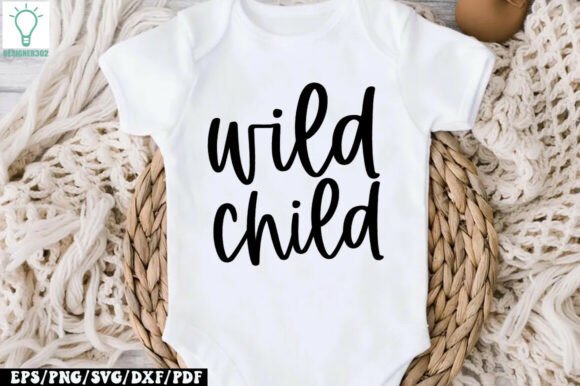
The Wild Child SVG has a distinctly youthful, slightly rebellious charm. It's not overly sweet or pastel—it leans into a more modern, graphic style that feels like it belongs on a boutique sweatshirt or a personalized tote bag for a toddler who’s always on the move. The design balances chunky lettering with fun, stylized illustrations that don’t feel cluttered. That’s a big plus when you're planning to embroider it on baby clothes or small patches where clarity matters.
I immediately pictured it stitched onto a denim apron for a little chef or as a centerpiece on a custom embroidered pillow for a nursery. The SVG layout feels intentional—there’s enough visual interest without being overwhelming, which is key when you're working with limited hoop sizes or textured fabrics.
Real-World Embroidery Performance
I tested the design on a few different materials to see how it translates from digital file to physical product. Starting with a standard cotton tote bag, the design stitched cleanly with minimal thread breaks. The satin and fill stitches held up well, even around the more detailed corners of the illustration elements.
When I moved to a stretchy cotton blend for a toddler sweatshirt, I made sure to use a lightweight stabilizer. The design held its shape nicely without distortion. I appreciated that the stitch density wasn’t too heavy, which can be a problem with some kid-themed embroidery files that go overboard on fill stitches.
I also tried it on a curved surface—specifically, a baseball cap for a client’s boutique line. The result was mixed. While the central text stitched well, the outer elements of the design got slightly compressed due to the cap’s curve. I’d recommend using this design on flatter surfaces or adjusting the layout slightly for curved items like caps or baby booties.
This design works best on items where the theme and size complement the design’s energy. Think:
- Toddler sweatshirts and hoodies
- Personalized tote bags
- Embroidered baby bibs and onesies
- Patch designs for small shop merchandise
- Custom aprons for kids' cooking classes
- Nursery wall art and pillow covers
However, be cautious when using Wild Child SVG on:
- Dark fabrics without testing thread contrast first
- Stretchy or slippery materials without proper stabilizer
- Small hoop sizes that may cut off design elements
- Textured fabrics like terry cloth where details can get lost
- Curved surfaces like hats or mugs without layout adjustments
- Items that require frequent washing (check stitch density and thread quality)
Visual Impact and Customer Appeal
From a design standpoint, Wild Child SVG has strong visual appeal. It’s eye-catching without being too loud, and it reads well even at a distance. That makes it a solid choice for Etsy sellers or craft entrepreneurs who want to add personality to their handmade products without sacrificing professionalism.
When I used it on a custom embroidered tea towel for a client’s gift line, the result was a hit. Customers responded positively to the design’s modern, slightly edgy tone—especially for products aimed at toddlers and young children. It’s the kind of design that stands out in a marketplace saturated with cutesy animals and pastel fonts.
Before stitching Wild Child SVG into any project, here are a few practical tips based on my experience:
- Always test the design on scrap fabric first, especially if you're using a new fabric type.
- Check thread color contrast against light and dark backgrounds to ensure readability.
- Review stitch density—some areas may benefit from a slight adjustment depending on fabric type.
- Confirm hoop size compatibility before stitching on garments or curved surfaces.
- Inspect small details like facial features or fine lines in the illustrations to ensure they stitch cleanly.
- Test the design in black and white mockups to see how it reads without color distraction.
- Compare how it looks on both light and dark fabric backgrounds.
- Use the appropriate stabilizer for your fabric—lightweight for cotton, medium-weight for stretchy materials.
- Confirm licensing before selling finished items or digital products, especially if you plan to use this in commercial embroidery.
Design Flexibility and Commercial Use
One of the biggest pluses of Wild Child SVG is its adaptability. Because it’s a vector file, resizing is straightforward, and it maintains clarity across different applications. I’ve used it successfully in both small-scale embroidery (like on baby onesies) and larger formats (like on tote bags and pillow covers).
For Etsy sellers and small shop owners, this design offers a fresh, modern look that can elevate your product line. It’s versatile enough to work with seasonal themes—just swap out thread colors for a holiday version or pair it with coordinating applique designs for a boutique feel.
Final Thoughts: A Worthy Addition to Your Design Kit
Wild Child SVG is more than just another kid-themed embroidery file. It brings a unique blend of style, clarity, and flexibility that makes it a strong contender for real embroidery projects. Whether you're creating personalized gifts, custom apparel, or small business merchandise, this design holds up well under practical use and adds a punch of personality to your work.
As a designer, I appreciate when a file doesn’t just look good in a digital preview but also translates well into the final stitched product. Wild Child SVG does exactly that. Just remember to test it thoroughly, adjust for your specific materials, and always confirm licensing before use.